Lighting at home: the simple guide that changes everything
Changing the lighting in a home is what transforms it the most for the least money. And yet it's almost always decided at the last minute, and rather haphazardly. Here we explain, without jargon, how to get it right.
Look at the lumens, not the watts
There are two numbers on a light bulb box. Watts (W) tell you what it consumes; lumens (lm) tell you how much light it gives off. With LEDs, watts are no longer useful for comparison: what you need to look at are the lumens.
As a quick reference: a living room of around 20 m² looks good with about 4,000 units of light (lumens) in total, but spread across several lamps. A single powerful bulb on the ceiling never looks good: it flattens the room and leaves the corners dark.
How much light each room needs
- Hallways and entrances: low light, just enough to move around comfortably.
- Living room: medium light for everyday use, with a stronger point next to the armchair if you read there.
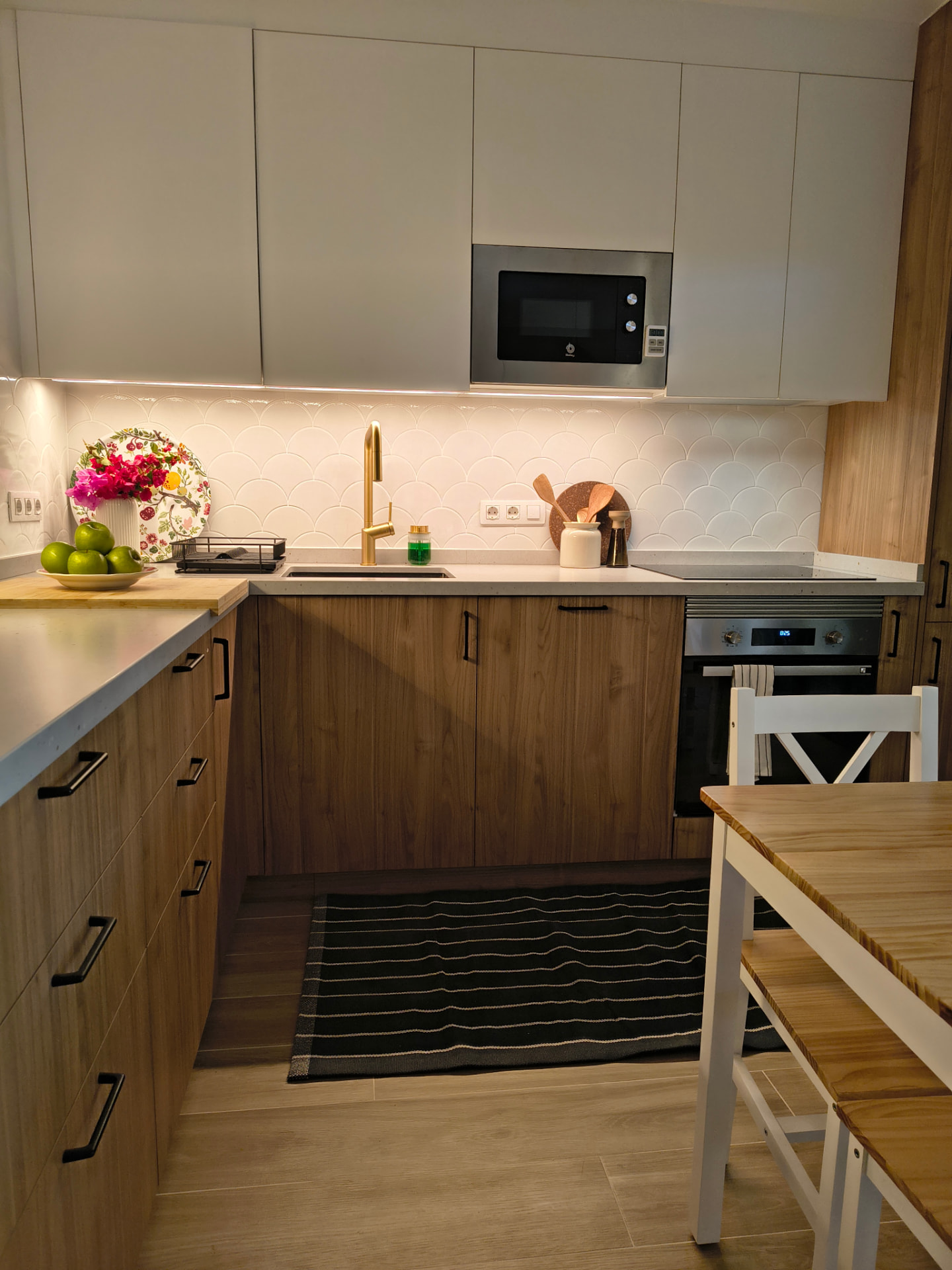
- Kitchen: the important light goes over the countertop, not on the ceiling. Otherwise you end up cooking in your own shadow.
- Bathroom: soft general light plus light on either side of the mirror, at face height (never only above it, as that creates unflattering shadows).
- Desk: good direct light over the table.
Warm or cool light: the most common mistake
On the box you'll see something like 2,700 K or 4,000 K. The lower the number, the warmer (more yellow and cosy) the light; the higher the number, the cooler and whiter, like an office.
- 2,700 K: living room, dining room and bedrooms. It's sunset light, the most pleasant of all.
- 3,000 K: kitchens and bathrooms, where a slightly crisper view is useful.
- 4,000 K or more: only for garages, storage rooms or workshops.
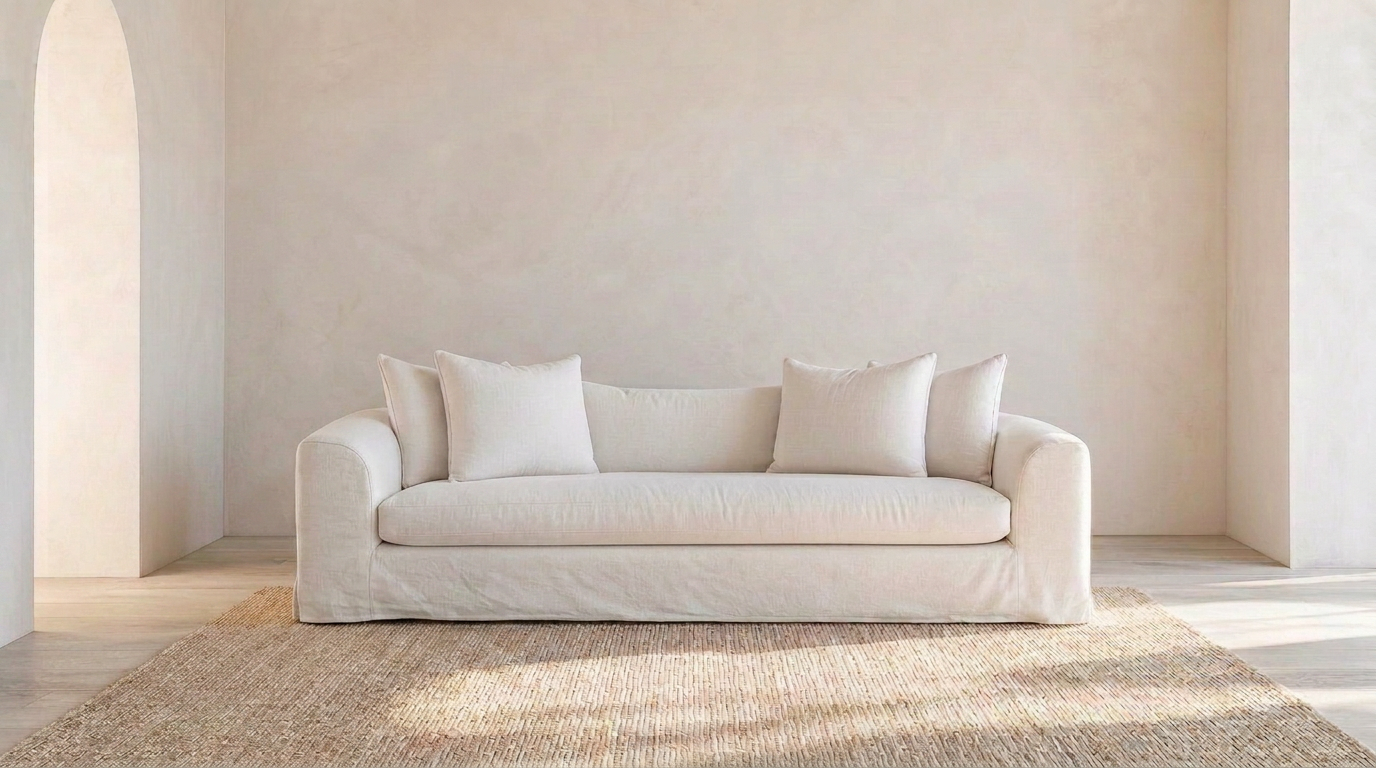
And a rule almost no one follows: within the same room, all bulbs should be the same tone. Mixing warm and cool light is what makes a freshly renovated living room look odd without you knowing quite why.
Why colours look dull
There are cheap bulbs that make wood lose its colour, green look faded and skin look greyish. On the box this appears as CRI, with a number from 0 to 100: the higher it is, the more true-to-life the colours look.
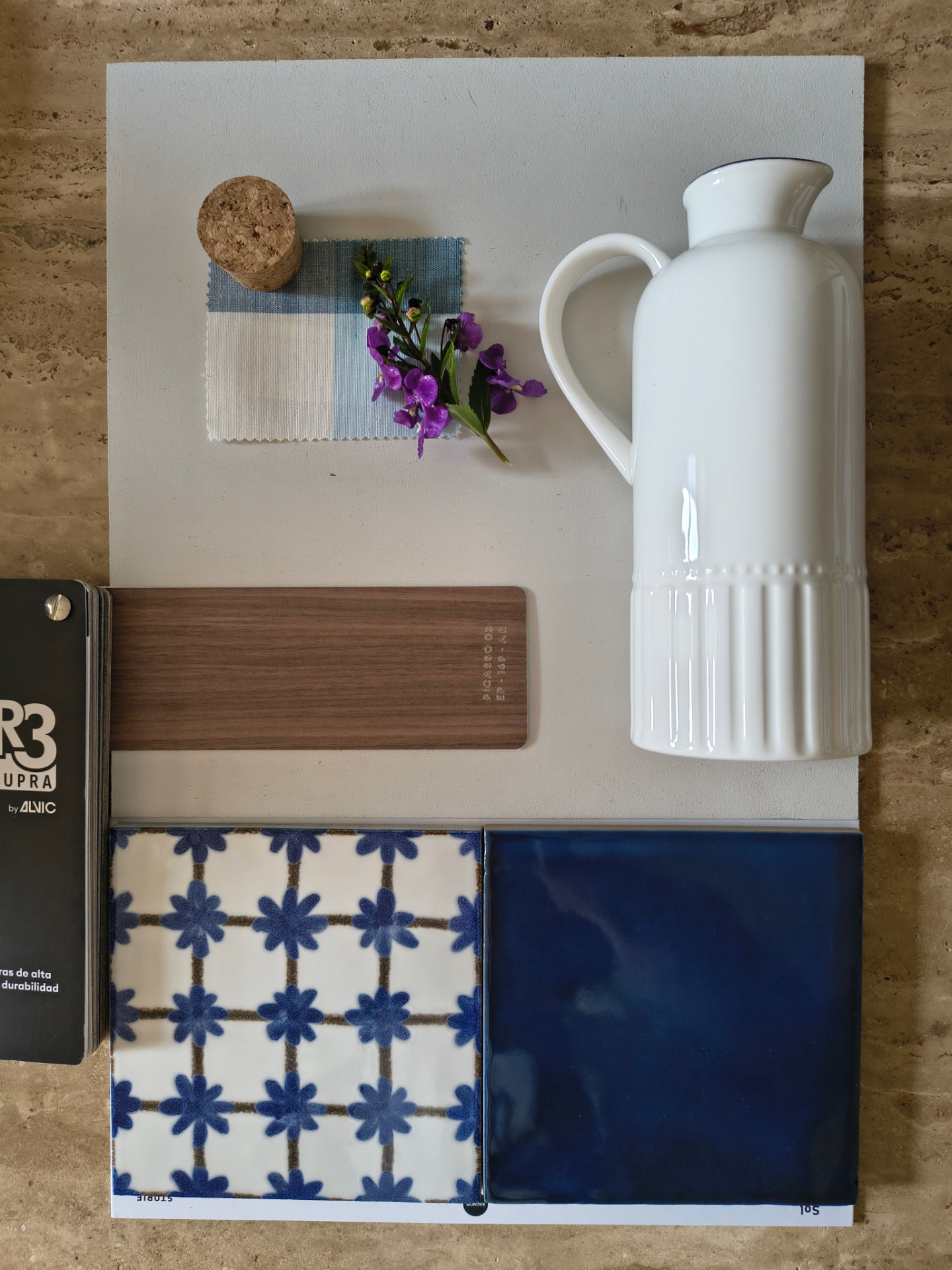
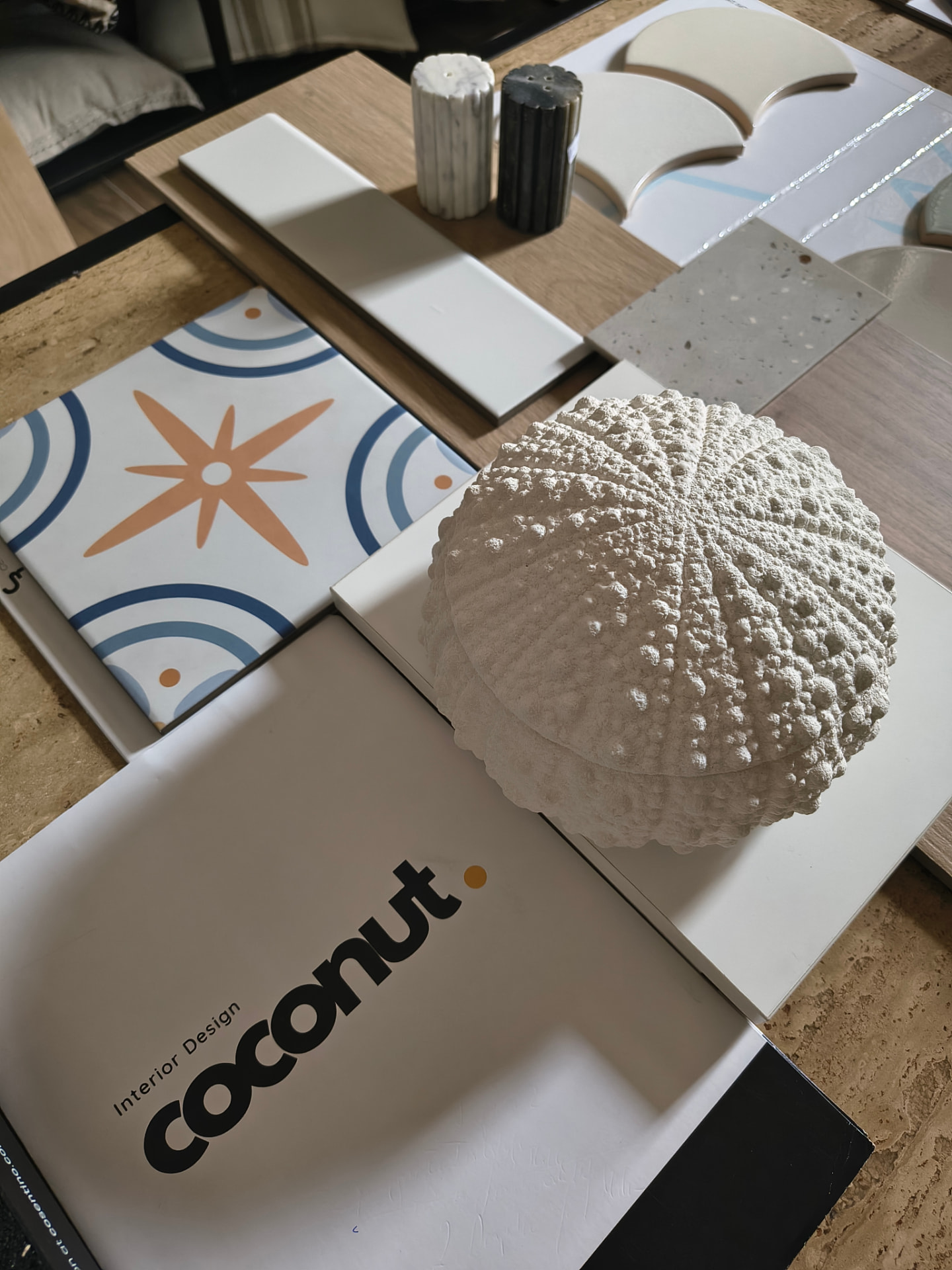
If you've lovingly chosen a fabric, a stone or a wood, look for bulbs with a CRI of 90 or above. It's the difference between seeing the material and seeing a washed-out version of it.
The three-light trick
No room is solved with a single lamp. We always work with three types of light and, whenever possible, with independent switches, so we can create different moods depending on the time of day.
- General light: the one that lets you see the whole room (spotlights, a ceiling fixture or indirect ceiling light).
- Task light: the one that lights up what you're doing. Under kitchen units, over the island, next to the reading sofa or beside the mirror.
- Ambient light: the one that brings warmth. Table lamps, wall lights, soft light over a painting or a textured wall.
If you also add dimmers (making sure the bulbs are dimmable), the same house works for you at eleven in the morning and at eleven at night.
How we do it in Tenerife
The north of the island gets plenty of natural light, but many days are cloudy. That's why light-coloured interiors and sheer curtains work so well, and why warm ambient light is so welcome during the misty months. In south-facing homes it's the opposite: there, the important thing is controlling the sun and avoiding unwanted glare.